An Invitation
An Invitation
The Last Ark is an invitation
To embark upon a voyage towards a kinder way of being
To look at all defunct systems and how we all can move away from our part in the collective suffering, as we navigate the perfect storm of now, together, mindfully employing more sustainable methods that harmonize with and mimic nature. As we identify our lighthouses and life rafts along the way, imperfect passengers all, towards the uncharted waters and shores of our future.
Wetiko
EVERY DISASTER WE ARE CONFRONTING RESULTS FROM AN ERROR OF PERSPECTIVE:
EVERY DISASTER WE ARE CONFRONTING RESULTS FROM AN ERROR OF PERSPECTIVE:
“For several thousands of years human beings have suffered from a plague. The Algonquin and other Indigenous First Nations identified the mental illness of the white man, upon his arrival to their native homelands, as “Wetiko,” literally translating as cannibalism: the consuming of another’s life for one’s own private purpose or profit. Brutality knows no boundaries. Greed knows no limits. Perversion knows no borders. This is the disease of the consuming of other creatures’ lives and possessions. This disease is the greatest epidemic sickness known to man”.
Buddhist Paul Levy writes: “Wetiko is a virus of the mind that cultivates and feeds on fear and separation. A psycho-spiritual illness, it is a psychosis, a sickness of the spirit. It is a form of mind-blindness that renders us blind to our blindness (i.e., we don’t realize we are blind, but fancy ourselves as clear-seeing). Becoming aware of Wetiko simultaneously dispels its power over us while empowering ourselves. This is why healing the “cancer of mind-blindness”, and seeing Wetiko, is of such importance.”

Mirror Neurons
The wealth of mirror neurons in horses means
they are especially empathetic and proficient at building relationships
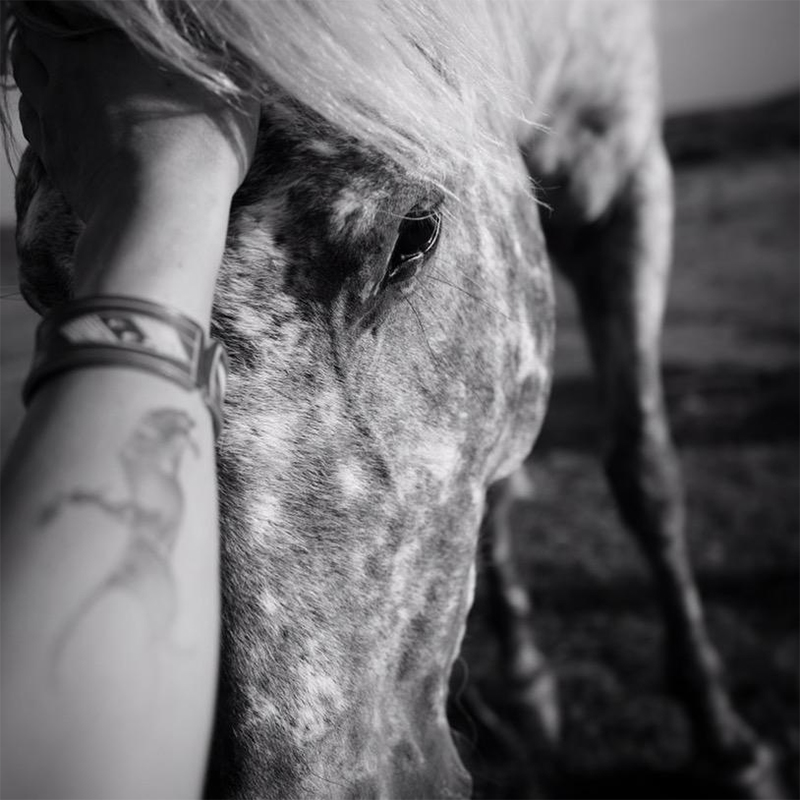
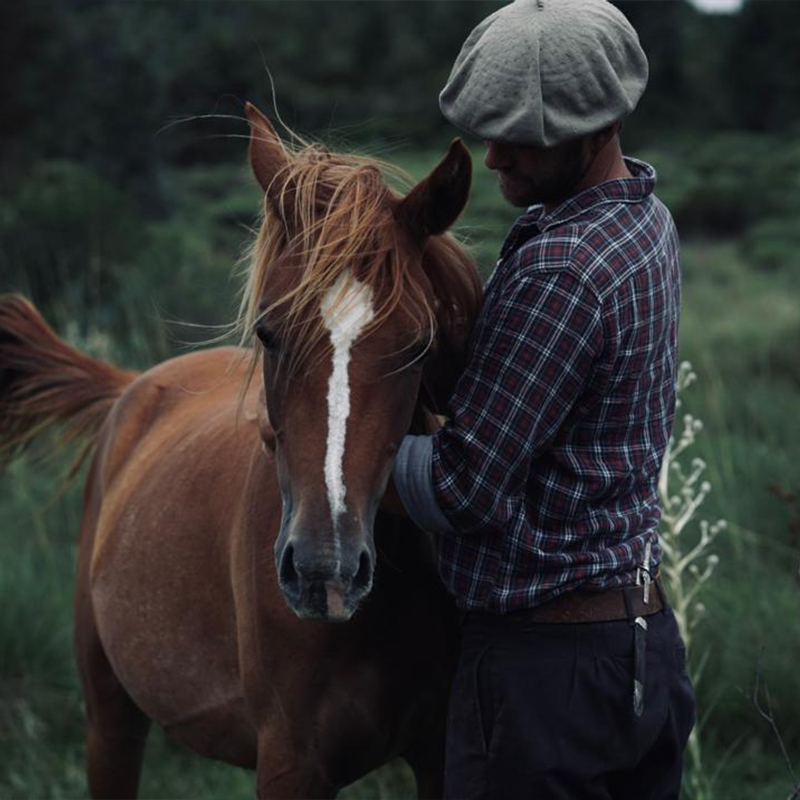
Horses are especially empathetic and proficient at building relationships with each other and with people. The result of this is that horses and humans can engage in social communication on a neurological level. Horses can not only read human facial expressions, but they can also remember a person’s previous emotional state.
This alone is an impressive feat, but horses do one other thing that is seldom seen outside of human cognition: they adapt their behaviour according to the emotion.
The emotional intelligence of a horse is such that they do not just read and understand human emotions, but they remember emotions, accurately interpret them, and adjust their behaviour based on this information. Furthermore, horses can do all of this even in people with whom they have had no prior interaction.